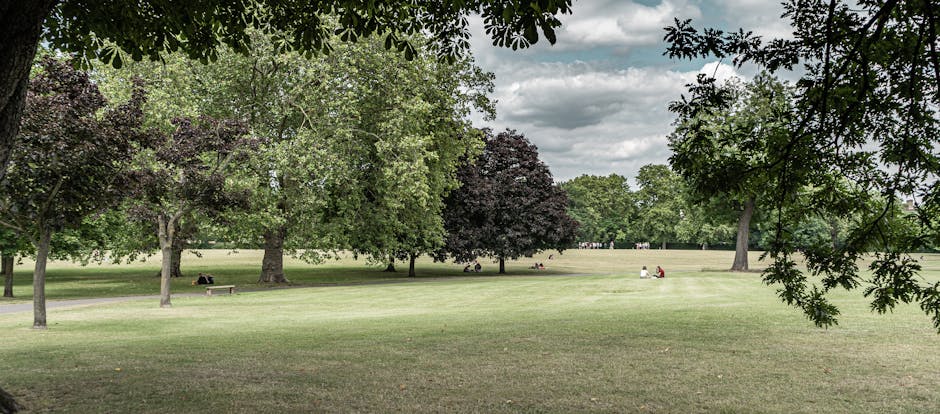
Barking Park gardeners for family friendly lawn care
If you are trying to keep a lawn neat, soft underfoot, and safe for children to play on, you already know it is not just about "mowing the grass." Barking Park gardeners for family friendly lawn care is really about creating a usable outdoor space that stands up to football boots, paddling pools, muddy trainers, toy spades, and the odd shortcut across the grass. It needs to look good, yes, but it also needs to be practical on a weekday evening when everyone is tired and the garden is just the easiest place to breathe for a minute.
This guide walks through what family friendly lawn care actually means, how it works in a real garden, what good maintenance looks like, and how to avoid the mistakes that turn a decent lawn into a patchy mess. Along the way, you will also see how related services such as lawn mowing, garden maintenance, and broader landscaping can support a safer, more usable family garden. Let's face it, a lawn only feels easy when somebody has done the boring bits properly.
For families in Barking Park and the surrounding area, the best results usually come from a simple approach: regular cutting, sensible edging, good soil care, and a maintenance plan that fits real life rather than ideal weather. It sounds straightforward. It mostly is. The tricky bit is consistency.
Table of Contents
- Why Barking Park gardeners for family friendly lawn care Matters
- How Barking Park gardeners for family friendly lawn care Works
- Key Benefits and Practical Advantages
- Who This Is For and When It Makes Sense
- Step-by-Step Guidance
- Expert Tips for Better Results
- Common Mistakes to Avoid
- Tools, Resources and Recommendations
- Law, Compliance, Standards, or Best Practice
- Options, Methods, or Comparison Table
- Case Study or Real-World Example
- Practical Checklist
- Conclusion
- Frequently Asked Questions
Why Barking Park gardeners for family friendly lawn care Matters
A family lawn gets used differently from a display lawn. That may sound obvious, but plenty of gardens are maintained as if nobody ever sits down, runs around, or drops a bucket of water on the grass. Family friendly lawn care is about durability as much as appearance. The lawn should recover quickly from wear, drain well enough after rain, and stay comfortable for bare feet and play.
In a busy household, the garden often becomes a spillover room. One minute it is a play area, the next it is a lunch spot, then perhaps a place to dry out a scooter or shake off a raincoat. That constant use changes the kind of care required. A family-friendly lawn needs regular mowing, but not scalping. It needs weed control, but without turning the whole space into a chemical project. It needs edging, because tidy borders keep the whole area feeling calmer and safer. Small thing, but it matters.
There is also a safety angle. Uneven turf, hidden debris, slippery moss, thorny growth, and overhanging branches can all make a garden less suitable for children. This is one reason many homeowners pair lawn care with garden clearance when a space has been neglected or cluttered. A clear, even surface is simply easier to enjoy. And easier to supervise, which parents will appreciate on a windy Saturday afternoon when the whole garden seems to be trying to scatter.
Good gardeners think beyond appearance. They look at how the lawn is actually used. Is there a shaded patch that stays damp? Is there a run of ground that gets flattened by repeated play? Are pets part of the picture? A good plan answers those questions before they become ongoing problems.
Expert summary: family friendly lawn care is not about chasing perfection. It is about building a lawn that stays safe, resilient, and pleasant to use day after day, even when life gets messy. That is the sweet spot.
How Barking Park gardeners for family friendly lawn care Works
At a practical level, the process starts with understanding the condition of the lawn and the way the garden is used. A lawn that gets heavy foot traffic from children needs a different rhythm than one used mainly for sitting out in the evening. From there, a gardener will usually focus on four areas: cutting, feeding, shaping, and recovery.
1. Assess the lawn properly
The first step is to look at grass height, soil condition, drainage, thatch build-up, and bare patches. Thatch is the layer of dead grass and organic matter that can build up near the soil surface. A little is normal. Too much can stop water and nutrients moving properly. If the lawn is compacted, the surface may feel hard or patchy, especially where children run most often.
2. Set the right mowing pattern
Frequent mowing keeps the lawn looking neat and helps the grass grow thicker. For families, the goal is usually steady, moderate cutting rather than dramatic seasonal trims. Cutting too much at once stresses the grass. Cutting too low creates thin spots and opens the door to weeds. A regular cut keeps the lawn dense, which in turn makes it better at tolerating use. You can see the logic. Simple, really, but easy to get wrong.
3. Improve the surface
Once the lawn is being cut properly, a gardener may suggest aeration, light scarifying, overseeding, or topdressing. Aeration creates small holes to reduce compaction and help air and water move into the root zone. Overseeding adds fresh grass seed to fill gaps. Topdressing improves surface level and can help with texture. These are the unglamorous jobs that make a family lawn feel better underfoot.
4. Control growth around the edges
Paths, borders, fences, sheds, and play areas all affect how the lawn looks and performs. Clean edges make a big difference. They also help stop grass from invading borders, which keeps maintenance simpler. If hedges or overgrown shrubs are shading the lawn too much, then hedge trimming may be part of the answer. Less shade, better airflow, healthier grass. Not always, but often.
5. Keep a maintenance rhythm
The main difference between a one-off tidy-up and proper lawn care is rhythm. A maintenance schedule helps prevent the lawn from swinging between overgrown and stressed. For family gardens, that consistency matters because people notice the change quickly. One damp week, one birthday party, one football afternoon, and the whole patch can look tired if the basics are not being handled.
Key Benefits and Practical Advantages
There are a few obvious benefits to professional family friendly lawn care, and a few that are easy to overlook until they disappear.
- Safer play space: fewer hazards, fewer hidden obstacles, and a more even surface for children to run on.
- Better resilience: healthier grass bounces back faster after heavy use, which matters in a busy household.
- Lower long-term effort: routine care usually prevents bigger repair jobs later.
- Cleaner appearance: a neat lawn makes the whole garden feel more ordered, even if the toys are still out.
- Better drainage and root health: well-managed lawns are less likely to stay waterlogged or thin out in the same spots.
- More usable outdoor time: if the lawn is comfortable, the garden gets used more often. That is the real payoff.
There is also a practical financial angle. A neglected lawn often needs more than a quick mow. It may need clearance, scarifying, reseeding, or even broader work through garden maintenance before it starts behaving properly again. That is why regular attention usually works out better than waiting until everything looks rough. The garden stays easier to manage, and there are fewer unpleasant surprises hiding in the grass.
For many families, the biggest benefit is peace of mind. When the grass is healthy and even, you worry less about little injuries, patchy mud, or the embarrassing moment when visitors arrive and the lawn looks like it lost a fight with the weather. It happens. More often than people admit.
Who This Is For and When It Makes Sense
This kind of lawn care suits a wide range of households, but it is especially useful if your garden gets used hard and often. If you have young children, a dog, a side return that gets muddy, or a lawn that turns patchy every summer, then you are probably already in the target group.
It also makes sense if you are juggling work, school runs, weekends, and everything else that fills a family calendar. Truth be told, many homeowners know exactly what needs doing but do not have the time or equipment to stay on top of it properly. That is not laziness. That is just life.
You may also want family-friendly lawn care if:
- the grass is uneven or bumpy enough to trip people up
- weeds and moss keep returning after simple mowing
- the lawn has bare patches where kids or pets keep running
- shady areas stay damp and feel soft for too long
- edges have become messy and hard to maintain
- you want the garden to feel more welcoming without a full redesign
Sometimes the issue is not the lawn itself but the wider layout. If seating, steps, or play zones are awkwardly placed, the garden may need a better structure. In that case, a conversation about landscaping or even more considered landscape gardening can make a big difference. A lawn works best when the rest of the garden supports how it is used.
Step-by-Step Guidance
If you want a family lawn that feels dependable rather than fragile, this is the sort of process that usually gives the best results.
- Clear the area first. Remove toys, branches, stones, fallen fruit, and anything else that can interfere with mowing or create a hazard.
- Inspect the surface. Look for dips, mud, compacted areas, and bare patches. You want to know what you are dealing with before the mower comes out.
- Mow at the right height. Avoid cutting too short, especially during dry spells or after heavy use. Short grass looks neat for about five minutes, then sulks.
- Trim edges carefully. Finish the borders so the lawn feels deliberate and tidy. Good edging changes the whole mood of the garden.
- Water sensibly. Deep, less frequent watering is usually better than shallow daily sprinkling, though conditions vary and weather should guide the schedule.
- Feed where needed. A suitable feed can help the lawn recover after wear, but it should be matched to the season and the condition of the grass.
- Repair worn areas. Reseed bare patches and protect them until they establish. Otherwise the same muddy track just comes back.
- Review the maintenance rhythm. If the lawn is getting hammered every week, the schedule may need to be more frequent or the layout may need adjusting.
If the garden has a lot of clutter, dead growth, or broken hard edges, starting with garden clearance can make the rest of the work much easier. It is rarely glamorous, but it clears the path for everything else. Sometimes that first hour of clearing is the one that changes the whole project.
Here is the practical bit many people miss: lawns do not improve just because you spend money on them once. They improve because the care matches how they are used over time. That is where consistency beats enthusiasm. Every time.
Expert Tips for Better Results
A few small adjustments can make a family lawn noticeably better without turning the garden into a maintenance project that swallows every Saturday.
- Keep the mowing pattern steady. Irregular cuts create stress and can leave the grass looking uneven. Steady is better than heroic.
- Do not scalp the lawn after a wet spell. Wet grass and low cutting often lead to tearing and a ragged finish.
- Rotate play areas where possible. If the same patch gets all the traffic, it will wear out faster. Move the cricket set, the goal, or the paddling pool a bit now and then.
- Use shade wisely. A lawn under trees or high hedges may need more airflow and less clutter. If overgrowth is part of the problem, hedge trimming can help restore light.
- Watch for compacted soil. Hard ground beneath the grass is a common reason lawns struggle after heavy family use.
- Keep mower blades sharp. A clean cut is gentler on the grass than a torn one. It makes more difference than people expect.
- Plan around the season. Spring and early autumn often suit renewal work better than harsh midsummer heat or sodden winter conditions.
One small trick that works well in real gardens: walk the lawn after rain and note where the water sits. Those soggy spots tell you more than a whole list of "maybe" guesses. If the same area stays wet, the issue may be drainage, compaction, shade, or simple overuse.
Another thing. If you have pets and children, aim for resilience rather than perfection. A lawn that can take a bit of wear is far more valuable than one that looks immaculate and then collapses the moment someone kicks a ball. Beauty has its place. So does practicality.
Common Mistakes to Avoid
Most lawn problems in family gardens come from a handful of repeat mistakes. Fortunately, they are all fixable.
- Cutting too short: this weakens the grass and makes it more likely to dry out or thin quickly.
- Ignoring bare patches: once a worn patch opens up, weeds and mud usually move in fast.
- Using a one-size-fits-all schedule: a lawn with heavy foot traffic needs different care from a decorative front strip.
- Letting edges sprawl: messy borders make the garden feel less tidy and can hide issues near fences or beds.
- Leaving debris in place: twigs, stones, and toys can damage equipment and create avoidable hazards.
- Overwatering shallowly: this can encourage weak roots and more surface-level problems.
- Forgetting the wider garden: if shrubs, trees, or fencing create ongoing shade and damp, the lawn may never fully settle.
There is also a psychological mistake, if that is the right word for it: people often wait until the garden looks "bad enough" to justify action. By then, the work is bigger. Not impossible, just more involved. A small bit of maintenance now tends to save a larger repair later. That is one of those dull truths that turns out to be very useful.
Tools, Resources and Recommendations
You do not need a shed full of specialist kit to keep a family lawn in good shape, but the right tools make the work faster and less frustrating.
| Tool or Service | What it Helps With | Best For |
|---|---|---|
| Mower | Regular cutting and consistent lawn height | Routine family lawn care |
| Manual edging tool or strimmer | Cleaning borders and hard-to-reach edges | Neat finish around paths and beds |
| Rake | Clearing clippings, moss, and debris | Surface tidy-ups and seasonal prep |
| Aeration tool | Reducing compaction and improving drainage | Lawns used heavily by children or pets |
| Grass seed | Repairing bare or thinned areas | Patch recovery and seasonal reseeding |
| Professional garden maintenance | Ongoing care and reliable upkeep | Busy households and larger gardens |
For many families, the best recommendation is not a gadget. It is a schedule. If you can keep mowing, edging, and light upkeep regular, the lawn stays much easier to live with. If not, using a professional service for lawn mowing alongside broader maintenance can take a lot of pressure off. In our experience, the relief is often bigger than the bill, because the garden stops feeling like another job waiting in the background.
If you are weighing up ongoing care versus a one-off tidy-up, it can help to look at the whole garden, not just the grass. A lawn might be suffering because the borders are overgrown, the shade is too heavy, or the garden layout is awkward. That is where a service overview can make planning easier, especially if you want the lawn, paths, and planting to work together.
Law, Compliance, Standards, or Best Practice
For most homeowners, family lawn care is not a heavily regulated activity, but there are still sensible standards and best practices to follow. Safety comes first, especially where children are using the garden. That means keeping the lawn free from debris, being careful with sharp tools, and storing equipment responsibly after use.
If a gardener is working on your property, it is reasonable to ask how they approach safety, insurance, and public liability arrangements. A professional business should be able to explain its working practices clearly. You can also look for transparent information on health and safety policy and insurance and safety, which helps build confidence before any work begins.
For environmental best practice, sensible disposal and recycling matter too. Grass cuttings, green waste, and cleared material should be handled responsibly where possible. If you are comparing providers, it is fair to ask how waste is managed and whether sustainability is part of their approach. A well-run operation should not be vague about that.
Payment transparency matters as well. Whether a job is small or more involved, clear pricing, terms, and expectations reduce misunderstandings later. If you are planning regular support, reviewing pricing and quotes before committing is just common sense. No drama, just clarity.
Options, Methods, or Comparison Table
Choosing the right approach depends on how much use the lawn gets, how much time you have, and how the rest of the garden is behaving. Here is a simple comparison that may help.
| Approach | Best For | Pros | Trade-Offs |
|---|---|---|---|
| DIY mowing and basic upkeep | Small, manageable lawns with light wear | Low cost, flexible timing | Requires time, tools, and consistency |
| Occasional professional lawn mowing | Households that mainly need help catching up | Good finish, saves time | May not solve underlying lawn issues on its own |
| Regular garden maintenance plan | Busy family homes with ongoing use | Stable results, fewer surprises | Higher ongoing commitment |
| Full landscaping support | Lawns with layout, drainage, or usability problems | Can improve the whole garden, not just the grass | More involved planning and cost |
For some properties, a combination works best. A lawn may need recurring mowing, but the garden may also benefit from better structure, cleaner borders, or more usable space around patios and paths. That is when wider landscape gardening or services overview information becomes useful, because it helps you see the bigger picture rather than treating the grass as a separate problem.
Case Study or Real-World Example
Here is a simple example from the kind of situation many families recognise. A small back garden had a patchy lawn, a damp corner near the fence, and a run of grass beside the path that kept getting crushed by children heading in and out of the house. Nothing dramatic, just persistent wear.
The first change was not fancy. The area was cleared properly, the mowing height was adjusted, and the edges were cleaned up so the lawn looked more deliberate. Next, the worn patch near the path was overseeded and protected for a few weeks. The damp corner turned out to be worsened by shade and overgrown hedge growth, so the surrounding growth was reduced and airflow improved. That was the difference-maker, honestly.
By the end of the process, the garden had not become a showpiece. It became usable. The grass looked stronger, the muddy track reduced, and the whole space felt calmer for family use. That is often what people really want. Not perfection. Just a garden that does its job without adding stress.
It is worth saying that many gardens improve in stages. The first pass makes the lawn safer and tidier. The second pass builds resilience. The third, if needed, is where the layout and surrounding planting are refined. Little by little, it stops feeling like a problem space.
Practical Checklist
Use this checklist if you are getting ready to improve or maintain a family lawn.
- Is the lawn clear of toys, stones, branches, and hidden debris?
- Are the edges neat and easy to maintain?
- Is the mowing height suitable for family use, not just appearance?
- Are there bare patches that need reseeding?
- Does any part of the lawn stay muddy or compacted after rain?
- Are shrubs, hedges, or trees creating too much shade?
- Is the garden layout helping or hurting how the lawn is used?
- Do you have a realistic maintenance rhythm you can keep up?
- Would professional help save time and improve the result?
- Have you reviewed safety, insurance, and pricing expectations before booking work?
If you can tick most of those boxes, you are already in a strong position. If not, that is fine too. Most good lawn care starts with noticing what is not working yet. That is the useful part.
Conclusion
Barking Park gardeners for family friendly lawn care is really about making the garden fit family life. The lawn should welcome people out the back door, not create more work, worry, or patch repairs. With regular mowing, careful edging, sensible maintenance, and attention to wear and drainage, a lawn can become one of the easiest parts of the home to enjoy.
What matters most is not chasing a flawless finish. It is building a reliable outdoor space that feels safe, calm, and ready for everyday use. A good family lawn can handle muddy shoes, playtime, and the odd rushed evening tidy-up. That is the goal, and it is a very achievable one.
If your garden has started to feel harder to manage than it should, this may be the right moment to get practical help and simplify things a bit. A better lawn really does change how the whole garden feels.
Get a free quote today and see how much you can save.
Frequently Asked Questions
What makes a lawn family friendly?
A family friendly lawn is durable, even, and comfortable to use. It should recover well from foot traffic, stay reasonably safe for children, and be easy to keep tidy without constant intensive work.
How often should a family lawn be mown?
That depends on the season, grass type, and growth rate, but regular mowing is usually better than infrequent heavy cuts. The key is consistency. Let it get too long, and the lawn often looks tired after the first cut.
Is professional lawn care worth it for a busy household?
Often, yes. If you do not have time to mow, edge, and repair worn patches regularly, professional help can keep the garden usable and prevent the lawn from sliding into avoidable problems.
Can a lawn recover from heavy child use?
Usually, yes, if the damage is not extreme and the lawn is cared for properly. Overseeding, aeration, better mowing habits, and reducing compaction can all help. The sooner the repairs begin, the better.
What should I do about muddy patches?
Muddy patches often point to compaction, drainage trouble, shade, or repeated wear. Start by clearing the area, improving the surface, and reseeding if needed. In stubborn cases, the wider garden layout may need attention too.
Do hedges and trees affect lawn quality?
Yes, they can. Heavy shade, poor airflow, and leaf build-up may all make it harder for grass to thrive. Sometimes hedge trimming or tree work helps the lawn more than people expect.
What is the difference between lawn mowing and garden maintenance?
Lawn mowing is just one part of the job. Garden maintenance may also include edging, weeding, clearing debris, seasonal care, and keeping the wider space in order. For family gardens, that broader approach often gives better results.
How do I know if my lawn needs more than mowing?
If the grass stays patchy, muddy, uneven, or full of weeds after regular mowing, then it probably needs deeper work such as aeration, reseeding, or general maintenance. A quick trim will not fix root problems, literally or otherwise.
Is family lawn care safe for young children and pets?
It can be, as long as tools are stored properly, debris is removed, and any treatments or repair work are handled carefully. A tidy, even lawn is generally easier to use safely than an overgrown or cluttered one.
What if my garden is too messy for lawn care to start properly?
That usually means clearance comes first. Removing clutter, dead growth, and hidden debris makes the lawn easier to assess and manage. Once the space is cleared, the real lawn work can begin without constant obstacles.
Should I choose landscaping or regular maintenance?
If the main issue is ongoing upkeep, regular maintenance is probably the better fit. If the garden has poor layout, drainage trouble, or awkward use of space, then landscaping may be the smarter long-term choice.
How do I get a quote for family lawn care?
Start with a clear description of the garden, what the lawn needs, and how often the space is used. If you want to compare options, review pricing and quotes and then make a decision based on both value and convenience.