Common problems booking gardeners for Barking flats
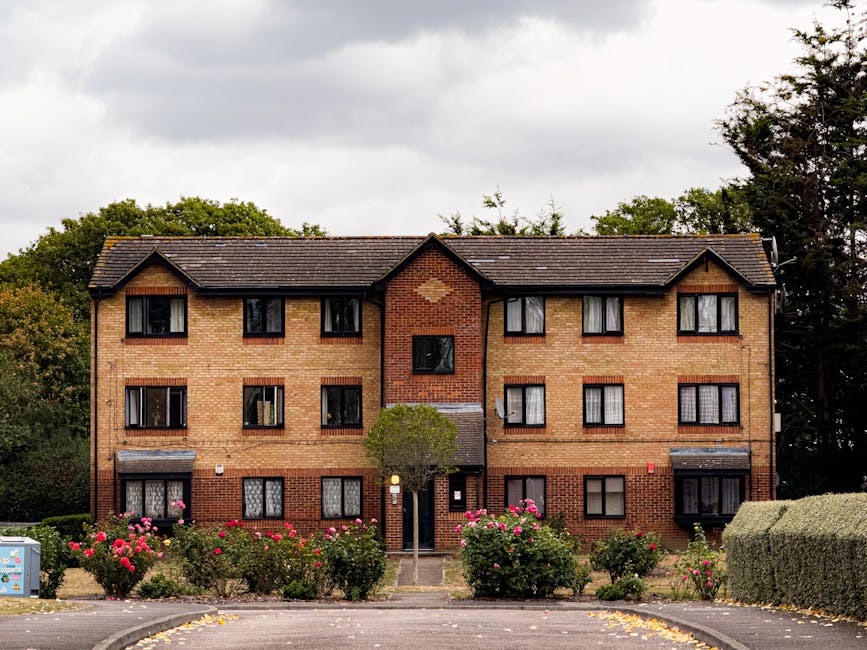
Booking a gardener for a Barking flat sounds simple enough. You need the communal beds cut back, the balcony pots tidied, maybe a small courtyard cleared, and you want someone reliable who will actually turn up. Then the phone calls start, the quotes come in, and suddenly the whole thing is more complicated than it should be. That is the reality behind common problems booking gardeners for Barking flats: access issues, unclear responsibilities, awkward parking, shared spaces, and jobs that are a little too small for some contractors and a little too fiddly for others.
This guide breaks down the most common booking problems, why they happen, and how to avoid the usual headaches. If you manage a flat, leasehold property, letting portfolio, or shared outdoor space in Barking, this will help you plan better, compare options sensibly, and get a cleaner result with fewer surprises.
Why common booking problems for Barking flats matter
Flat gardens are rarely straightforward. One building might have a tiny front strip, a shared rear lawn, a bin-store edge that gets overgrown in no time, and a couple of balconies full of planters. Another might have no real garden at all, just a communal entrance area that needs tidy maintenance so it looks presentable. In practice, that means the job is as much about coordination as it is about gardening.
When booking goes wrong, the costs are not always dramatic, but they add up. A missed visit can leave weeds to seed, hedges to thicken, and access paths to become messy or slippery after rain. A badly scoped visit can mean a gardener arrives expecting a simple mow but finds a blocked side passage, no water access, and residents who did not know anyone was coming. Not ideal. Not fun either.
For managing agents and landlords, the stakes are a bit higher. A poor first booking can lead to repeated complaints, awkward conversations with leaseholders, or delays in getting a place back into decent shape between tenancies. For residents, it is usually more personal: you want the building to feel cared for, not neglected.
Key takeaway: the biggest issue is rarely the gardening itself. It is the mismatch between what the building needs and what the booking process communicates.
If you are comparing services, it helps to start with the bigger picture on gardening and landscaping services in Barking and then narrow down the exact task from there.
How common problems booking gardeners for Barking flats works
In most cases, the booking process starts with a simple request: what needs doing, where is it, and when do you want it done? That sounds obvious, but with flats the answer is often fuzzy. Is the garden private or shared? Is access through the front or a locked communal gate? Is parking available nearby? Does the job need one visit or regular maintenance?
Gardeners then have to judge the practical reality. A small courtyard tidy might be quick and straightforward. A communal area with hedge trimming, leaf clearance, and lawn care may need more time, more equipment, and clearer access. If waste must be removed, the booking should reflect that too. A lot of confusion comes from underexplaining the site rather than overcomplicating the service.
In Barking, flats can sit in busy residential streets, which makes logistics matter even more. Vans need a space. Equipment has to be carried through shared access routes. Neighbours may be working from home, sleeping, or simply not expecting noise first thing in the morning. The best bookings account for all of that before anyone arrives.
It usually works best when the client gives three things upfront:
- a clear description of the outdoor space
- photos showing access points, current condition, and any obstacles
- a preferred frequency, such as one-off clearance or ongoing maintenance
That saves everyone time. And, to be fair, it prevents the awkward "oh, this is bigger than I thought" moment at the gate.
For routine upkeep, many flats benefit from a maintenance plan rather than ad hoc bookings. A service such as garden maintenance can be a better fit if the space needs regular attention rather than a once-in-a-while rescue mission.
Key benefits and practical advantages
Getting the booking right is not just about avoiding problems. It creates a few real advantages that are easy to overlook when you are rushing to get the job sorted.
1. Better value for money
When the scope is clear, gardeners can price more accurately. That reduces the risk of extra charges later for access delays, unexpected waste, or extra labour. Nobody likes surprise costs, especially in shared housing where people are already discussing who pays for what.
2. Less disruption to residents
A tidy booking means better timing, smoother access, and less back-and-forth on the day. That matters if the building has families, shift workers, older residents, or people who just want a quiet Tuesday morning.
3. Cleaner, safer shared spaces
Overgrown edges, slippery moss, fallen debris, and bramble growth can make communal areas feel uncared for. Regular maintenance helps keep them welcoming and easier to use. It is a small thing, until it is not.
4. Easier long-term planning
Once a flat block has a stable gardening routine, it becomes simpler to budget, schedule, and maintain standards. You can plan hedge cutting before nesting season concerns become a nuisance, or arrange clearance before growth gets out of hand. Small planning, big difference.
If the issue is more than routine upkeep and you need a proper reset, a one-off garden clearance can be the smarter starting point before maintenance begins.
Who this is for and when it makes sense
This topic matters to more people than it first appears. If you live in a flat, manage one, rent one out, or look after a block of apartments, you have probably already run into at least one of these booking headaches.
- Leaseholders who want shared external areas kept tidy without endless chasing
- Managing agents who need reliable contractors and clear records
- Landlords preparing a flat for new tenants or protecting the presentation of a building
- Resident groups coordinating a communal garden or frontage
- Building owners who want a consistent maintenance standard without overpaying
It makes sense when the outdoor space is too small to justify a big landscape project, but too important to ignore. A cracked paving edge with weeds sprouting through it may not sound urgent, yet it can make the whole property look tired. Same with untrimmed hedges shading windows or pushing into access routes.
For more substantial changes, such as reshaping a tired communal garden or improving layout and planting, a broader landscaping approach may be more appropriate than simple upkeep.
Step-by-step guidance
Here is a practical way to book a gardener for a Barking flat without losing your patience halfway through.
- Define the space clearly. Note whether it is private, shared, front-facing, rear, balcony-based, or mixed-use. A rough sketch helps if the layout is awkward.
- List the actual tasks. Mowing, hedge trimming, weeding, leaf clearance, pruning, pressure cleaning, green waste removal, and general tidying all change the scope.
- Check access and parking. Mention gates, codes, permits, stairwells, lift access, and whether a van can stop nearby.
- Decide on frequency. One-off, fortnightly, monthly, or seasonal. Regular jobs tend to work out smoother when they are scheduled in advance.
- Gather photos. Current pictures are worth a lot. They help cut out guesswork and reduce misquotes.
- Ask what is included. Confirm waste removal, disposal of cuttings, fuel, equipment, and any follow-up tidy-up.
- Agree communication. Who is the main contact? Who unlocks access? Who signs off when the job is complete?
- Book a sensible time. Mid-morning or early afternoon often works better for blocks than a too-early slot. Less grumbling, less rushing.
One of the biggest practical wins is simply avoiding assumptions. A gardener may assume they can park close to the entrance. The resident may assume there is enough room for a full team. Neither side is being difficult; they are just missing information. A few sentences at the booking stage usually clears that up.
If you need ongoing lawn care in a block setting, lawn mowing services can be part of the schedule, rather than treating the grass as a last-minute emergency every six weeks.
Expert tips for better results
There are a few small habits that make a huge difference. Nothing fancy. Just the sort of common sense that, frankly, saves everyone a headache.
Be specific about the finish you want
"Tidy" can mean ten different things. Say whether you want a full reset or a light maintenance visit. If you want edging sharpened, shrubs shaped, or the entrance made presentable for visitors, say so plainly.
Keep communal decision-making simple
If five residents need to approve the visit, bookings can stall. Choose one decision-maker or a small point of contact group. Otherwise the job becomes a committee sport. And nobody wants that.
Match the contractor to the size of the task
A small courtyard and a leaf-blown entrance do not need the same setup as a larger block garden with hedges, paths, and waste piles. If a contractor seems under-resourced for the job, trust that instinct.
Plan around weather and season
Spring growth can change a "small" job quickly. Autumn leaf fall does the same. Summer heat changes the way turf and plants respond to cutting. Winter jobs may be tidier but can be limited by wet ground or poor light. Sometimes the clock says afternoon, but the garden says mud.
Use the first visit as an assessment
Let the initial appointment double as a practical inspection. What needs more attention? Where are the access problems? Which areas keep recurring with weeds or debris? That one visit can shape a much better ongoing plan.
Expert summary: the best flat-garden bookings are not the cheapest or the fastest; they are the ones that remove uncertainty. Clear scope, clear access, clear ownership. That is usually the winning combination.
And if the first visit reveals that the site needs a more structured improvement plan, services like hedge trimming and tree lopping and removal may need to be scheduled before general maintenance can really do its job.
Common mistakes to avoid
Most booking issues come from a handful of repeat mistakes. Here is the short version.
- Booking from a vague description. "Small garden" can mean anything.
- Forgetting access details. Locked gates, buzzers, basement courtyards, and restricted parking all matter.
- Assuming waste removal is included. Always confirm this.
- Mixing one-off and ongoing needs. A clear-out is not the same as regular upkeep.
- Ignoring shared responsibility. In flats, who pays and who approves can be the real sticking point.
- Choosing purely on price. Cheap can be fine. Cheap and unclear often becomes expensive later.
- Not checking public-facing impact. A tidy rear space is good, but entrances and sightlines matter too.
A smaller, slightly annoying mistake? Leaving the booking until the day before visitors, a tenancy change, or a block inspection. That nearly always creates rushed decisions and awkward compromise.
Tools, resources and recommendations
You do not need a toolkit full of gadgets to manage a flat-garden booking well. What you do need is a decent information pack.
- Site photos from the day of enquiry, not last summer
- Basic measurements if the gardener will need to estimate labour or materials
- Access notes covering gates, door codes, and safe entry points
- A task list broken into must-do and nice-to-have work
- A contact sheet with the person who can authorise changes on the day
- Notes on waste handling if green waste, bags, or branches need removing
It also helps to understand a few service types so you can speak clearly about the job. For example, garden clearance usually deals with overgrowth and mess, while garden maintenance is better for keeping a decent standard over time. That distinction alone prevents a lot of crossed wires.
If the work will involve structural changes, planters, paths, or outdoor features, the more design-led side of the job may sit closer to landscape gardening. Not every flat needs that, of course, but it is useful to know the difference before you book.
Law, compliance, standards and best practice
For flat properties, the main compliance concerns are usually practical rather than dramatic. Access, safety, waste handling, and neighbour disruption tend to matter more than anything else day to day. That said, it is wise to keep your booking process aligned with normal UK expectations.
Where work involves ladders, cutting equipment, waste movement, or near-road operations, a responsible contractor should work safely and use appropriate precautions. If the site is communal, it is sensible to think about trip hazards, wet surfaces, and keeping pathways usable while work is underway. No one wants a neat border and a complaint from next door because cuttings were left across the entrance.
It is also good practice to confirm insurance, especially for blocks with shared access or valuable surfaces such as paving, fencing, or decking. A contractor's approach to safety and liability matters because a flat setting often brings more shared risk than a private back garden.
For that reason, you may want to review pages such as insurance and safety and the health and safety policy before giving the go-ahead. If the job will involve how waste is taken away and handled, recycling and sustainability is also worth a look, especially if you care about keeping green waste disposal sensible.
And if the booking process itself matters to you, especially around payment terms or how quotes are handled, the pages on pricing and quotes and payment and security can help set expectations before any work starts.
Options, methods and comparison table
Different flat-garden problems call for different booking styles. The table below gives a simple comparison.
| Booking method | Best for | Advantages | Watch out for |
|---|---|---|---|
| One-off tidy-up | Overgrown courtyards, post-tenancy resets, seasonal cleanups | Fast, flexible, good for a fresh start | May not solve recurring growth or upkeep issues |
| Regular maintenance | Communal spaces, entrance areas, small lawns, beds and borders | Keeps standards steady, easier to budget | Needs reliable access and a clear schedule |
| Task-specific booking | Hedge cutting, mowing, clearance, tree work | Targets the real problem directly | May require several contractors or multiple visits |
| Full site refresh | Neglected flat gardens or awkward outdoor layouts | Can transform appearance and usability | More planning, more disruption, higher complexity |
If you are unsure which method fits, start small. A quick assessment and a limited booking usually tells you more than a big plan drawn up from guesswork. That is especially true in Barking flats, where access and shared use can change the job quite a bit.
Case study or real-world example
Picture a mid-sized Barking block with a small rear communal area. On paper, it looked simple: a bit of mowing, some edging, and a few weeds along the fence line. In reality, the gate code had changed, residents parked tightly against the access lane, and the bin area had become a catch-all for dead branches and old pots. Not a disaster, just a messy little collection of problems.
The first attempt to book a gardener stalled because nobody could say who owned the decision. After that was fixed, the organiser sent photos, confirmed access, and separated the work into three parts: clearance, mowing, and monthly maintenance. The initial visit took longer than expected, but the next one was smooth because the contractor knew the site, knew the contact, and knew where to park.
The lesson is simple. The garden itself was not the real issue. The booking process was. Once the site details were sorted, everything felt easier. A bit less drama, a bit more calm. Honestly, that is often the whole story with flat gardening.
Practical checklist
Use this before you confirm the booking:
- Is the space private, shared, or mixed-use?
- Have you listed every task clearly?
- Have you shared access instructions and parking details?
- Have you sent current photos?
- Do you know whether waste removal is included?
- Have you agreed who the main contact is?
- Have you set the right date and time for residents?
- Do you need one-off work or ongoing maintenance?
- Have you asked about insurance and safety?
- Do you know how any payment or quotation process works?
If you can tick most of those boxes, you are already ahead of the usual mess. And yes, that sounds a little ordinary. But ordinary is exactly what you want here.
Conclusion
Most common problems booking gardeners for Barking flats are caused by uncertainty, not bad intentions. The gardener is not always at fault, and neither is the resident or managing agent. Usually, the job has just not been described clearly enough, or the practical realities of a flat setting have been underestimated.
Once you understand the space, agree the access, set the expectations, and choose the right type of service, bookings become much easier to manage. That means fewer delays, better value, tidier communal areas, and a lot less chasing people up by phone on a damp Tuesday afternoon.
Get a free quote today and see how much you can save.
For a friendly starting point, learn more about the business behind the service on the about us page or get in touch through contact us when you are ready to talk through the job.
Frequently Asked Questions
Why is it harder to book a gardener for a flat than for a house?
Flats usually involve shared access, parking limits, neighbours, and unclear responsibility for communal areas. That means the booking needs more detail before work can start.
What information should I give a gardener before booking?
Give the location, access details, photos, the exact tasks needed, the preferred date, and whether the job is one-off or ongoing. The more specific you are, the better the quote is likely to be.
Do gardeners usually remove green waste from flat gardens?
Sometimes yes, sometimes no. It depends on the service. Always check whether disposal is included, especially for clearances or hedge work.
What if the flat garden is shared by several residents?
Nominate one main contact if possible. Shared decision-making can slow everything down, so clear ownership helps a lot.
How often should a communal garden in a Barking flat be maintained?
That depends on the size of the space and how quickly it grows. Many communal areas do better with regular maintenance rather than occasional rescue jobs.
Can a gardener work around restricted parking or gated access?
Usually yes, but they need to know in advance. If parking is tight or access is unusual, say so early so the visit can be planned properly.
Is a one-off clearance better than regular maintenance?
If the space is badly overgrown, clearance often comes first. After that, regular maintenance is usually the easier and more economical way to keep things tidy.
What should I ask about before accepting a quote?
Ask what is included, how long the job should take, whether waste removal is covered, and whether any extra charges may apply for difficult access or larger-than-expected work.
Do I need insurance checks for a gardener working at a flat block?
It is wise to confirm insurance, particularly for communal or higher-risk areas. That is just sensible practice when shared spaces and access routes are involved.
What are the most common booking mistakes people make?
The biggest mistakes are vague job descriptions, poor access details, forgetting waste removal, and booking too late. Those four cause a surprising amount of trouble.
What if I only need a small job like hedge trimming or mowing?
That is still worth booking properly. Small jobs can be easy to fit in, but they still need the right access, timing, and scope. A small job with no details can become a large annoyance.
How do I know if I need garden clearance instead of maintenance?
If the space is cluttered, heavily overgrown, or full of debris, clearance is usually the better starting point. If it is already in decent shape and just needs regular care, maintenance makes more sense.
Even a modest flat garden can make a block feel cared for. Get the booking right, and the whole place feels calmer straight away. That is worth doing properly.